
Save £40 on all new patient consultations. Expires 1st December.

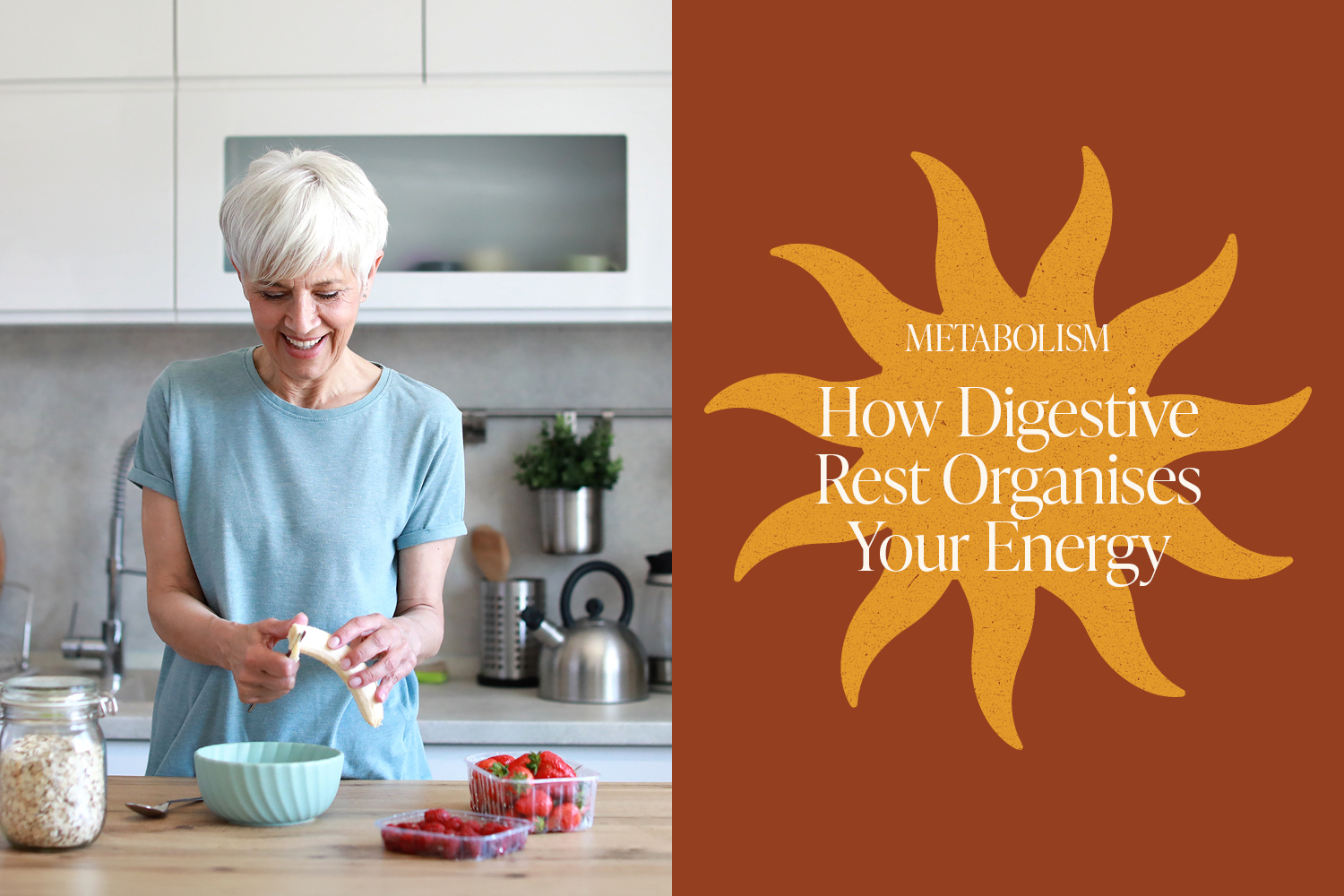
Your body is always adjusting how it uses energy.
After a meal, you often feel settled and steady. Later, as time passes, your energy shifts again. These changes reflect how your body moves between using incoming fuel and drawing on stored reserves.
It’s a quiet process that happens in the background, yet it plays an important role in how your body manages energy availability.
Your body responds to many different signals, including nutrition, activity, sleep, and recovery. Chiropractic care focuses on movement and joint function, supporting the mechanical systems that help your body respond to physical demands.
Metabolic switching describes how your body changes between different sources of energy. After eating, your body uses nutrients, especially glucose, as its primary fuel. When there is a longer break between meals, it gradually shifts towards using stored energy instead.
This is a normal part of human physiology. We’re designed to move between periods of eating, activity, and rest rather than remaining in one fixed energy state. When these transitions happen smoothly, it is often referred to as metabolic flexibility.
Digestion is one of the many processes that requires attention and energy.
When you eat, your digestive system works to break food down, absorb nutrients, and coordinate how they will be used. Allowing natural breaks between meals gives your body time to transition into a different metabolic state.
This does not mean long fasting periods suit everyone. Individual needs vary depending on health, lifestyle, and circumstances. But gentle digestive rest, such as simply spacing meals out, can support the body’s ability to move between feeding and fasting states.
During a period without food, your body gradually changes how it manages fuel. Stored energy becomes more available and, when glucose availability is lower, your body may begin producing ketones as an alternative source.
These transitions are coordinated through hormones, metabolism, and the nervous system. Together, they help your body adjust energy use based on what is available and what it requires.
Movement is one part of the broader picture of physical regulation.
Your nervous system helps coordinate many processes involved in how the body responds and adapts. Alongside information from organs and hormones, it also receives input from muscles and joints about movement, position, and physical demands.
The spine contributes to this system through the movement that occurs between its joints. Chiropractic often considers how spinal mobility contributes to the movement information your nervous system uses to coordinate posture, balance, and physical activity.
Small habits can help support the systems involved in energy organisation:
Metabolic flexibility isn’t something you consciously control. It’s a natural process shaped by the signals your body receives from nutrition, activity, rest, and recovery.
By supporting these foundations, you give your body the conditions it needs to transition between different energy states and adapt to changing demands.