
Save £40 on all new patient consultations. Expires 1st December.

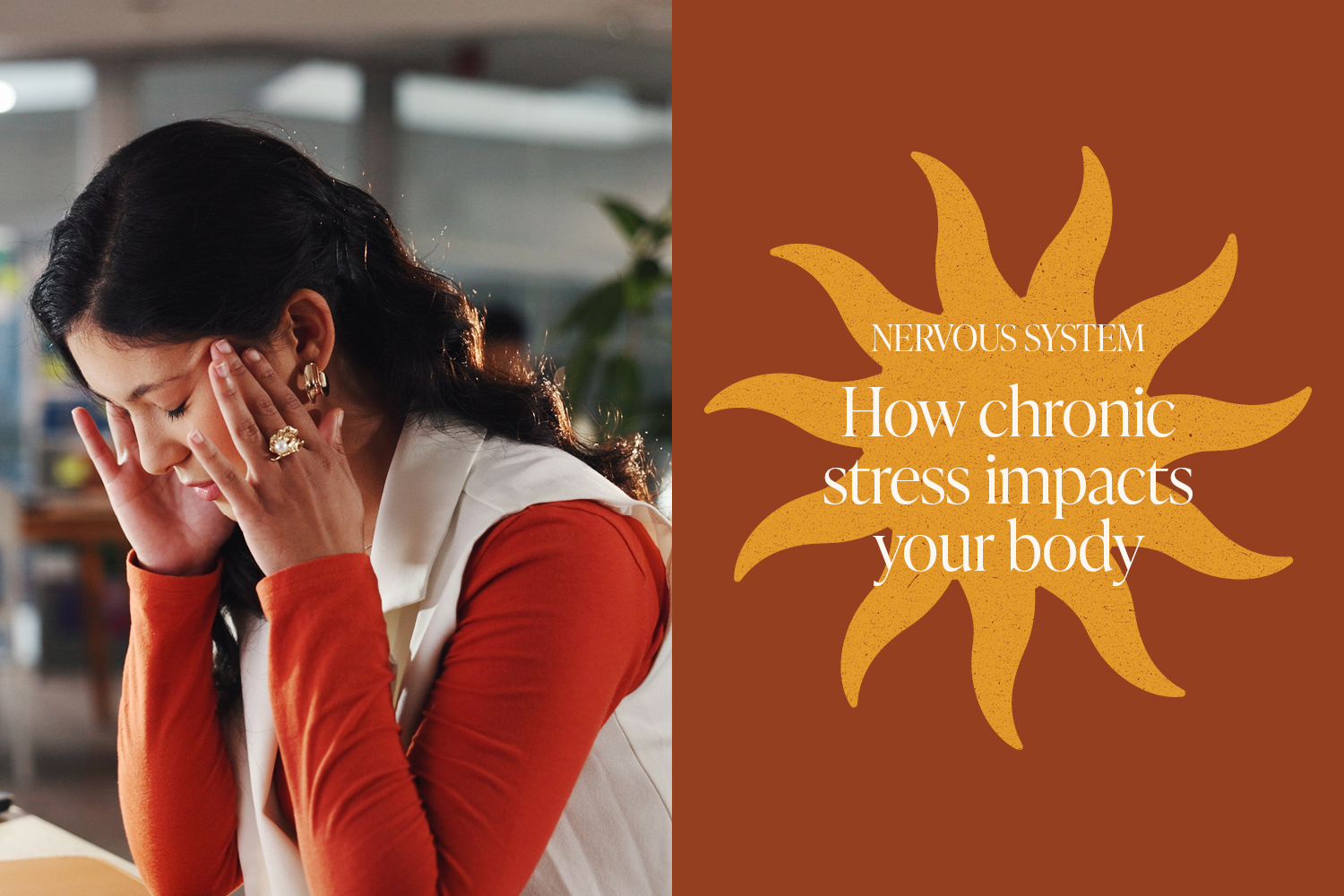
We’ve all had “one of those” days where stress shows up in our bodies long before we consciously notice it.
Here’s the thing, though: stress doesn’t just influence how we feel. It also shapes how we hold ourselves and how our bodies move. When life becomes demanding like this, the nervous system often responds by increasing muscle tone, changing breathing patterns, and shifting posture.
Many people develop these patterns without realising it, and they’re often a sign the body is doing its best to cope with ongoing demands. They are long‑term adaptations that help you get through challenging periods, even if they leave certain muscles working harder than they need to.
Chiropractic care supports this process by improving how comfortably the spine moves, which can give the body a clearer sense of ease as it shifts out of long‑held tension and back toward more natural movement.
When the brain registers pressure or demand, the body typically increases muscle tension to prepare for action. This can look like bracing through the shoulders, tightening through the mid back, or holding the breath a little higher in the chest.
These responses are practical and in the moment because they help you stay alert and ready. They’re normal and natural.
The challenge comes when these patterns linger.
If stress continues, the nervous system can keep certain muscles switched on for longer than needed. This isn’t something you have conscious control over but a physical response that can gradually influence how your body feels throughout the day.
When tension becomes long‑standing, it starts to influence the paths your body takes through movement. You might feel a reduced glide in your neck, a held quality through the mid‑back, or a breath that doesn’t travel as far. These patterns gradually shape how your body moves.
As this continues, your movement options can narrow. When a particular direction feels restricted, you naturally start steering away from it. That avoidance places more work on the surrounding areas, creating further stiffness and slowly reducing your overall range of motion.
Chiropractic care targets the spinal segments that have become locked down under tension. Restoring movement there reduces the extra load those areas have been carrying, which helps the body unwind the patterns it adopted to cope with ongoing stress.
As those restricted segments begin to move again, the surrounding muscles no longer have to brace as hard to compensate. Chiropractic care doesn’t remove stress from your life, but it can reduce the mechanical strain that keeps the body in a prolonged holding pattern.
Supporting your body through periods of tension doesn’t require dramatic changes. Small, consistent habits can help create the conditions your body needs to settle:
Understanding that physical tension is often a natural response to life’s demands can help you approach your body with more patience. It’s not about forcing relaxation but about giving your body the support it needs to move more comfortably.
By combining gentle chiropractic care with small, supportive daily habits, you can help your body regain its natural ease. When your structure is supported and moving well, your body’s ability to function with clarity and comfort can truly shine.